-

Gender-altering fish
Some species of fish, such as clownfish, gropers and eels, are able to change their gender. For instance, all blue gropers are born as females (and they are brown to reddish-brown). Each area typically only has one or two male blue gropers, and if the dominant male blue groper dies,…
-

Explorathon 2016
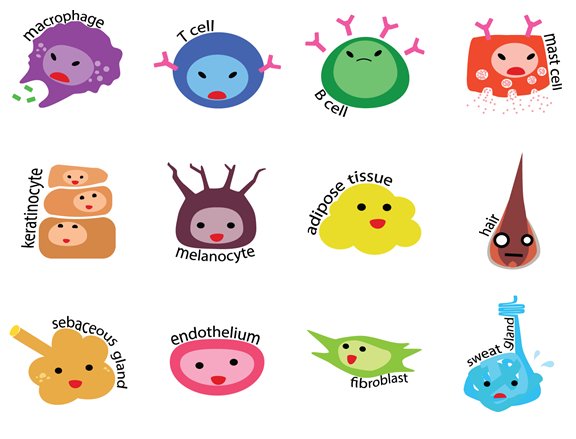
I designed a craft activity for explaining the architecture of skin. Do you know what happens when you ask kids to design their own skin? They laugh with a proper mad scientist laugh saying “muahahaha, I am going to make the most hairy, sweaty and greasy skin ever!”. I now…
-
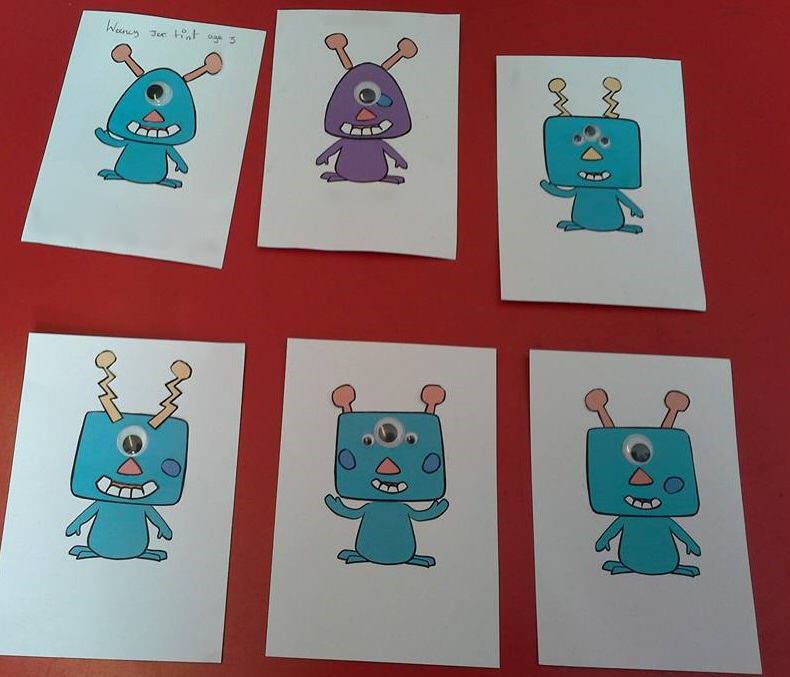
School visit at Whitdale Primary School
I brought 3 activities (teaching alleles and dominant/recessive inheritance) to Primary 7 at Whitdale primary school a little while back. We made about 30 little aliens in total! Was great fun. Wish I had thought of taking a photo with all of them before they left for break.
-

Carnivorous plant to the rescue
A recent study has found that an enzyme in the carnivorous plant, monkey cups, has enzymes which are very potent at breaking down gluten at a pH similar to the human stomach. The use of the enzyme has shown beneficial effects in mice. Maybe one day people with a gluten…
-

Why you should become a scientist
There have been many studies that show that chocolate may be good for you. Some suggest that eating more chocolate is associated with a lower risk of cardiovascular disease, others show that chocolate may even improve brain function by increasing blood flow to the brain. Like I need an excuse…
-

Longest-living vertebrate
Greenland sharks are now the longest-living vertebrate animals (that we know!). By using radiocarbon dating on the eye lens cells of 28 Greenland sharks, researchers found that the oldest of the bunch was 392 (plus/minus 120) years old. Further reading: —————————- Eye lens radiocarbon reveals centuries of longevity in…



-
Subscribe
Subscribed
Already have a WordPress.com account? Log in now.
 the Runaway Lab Book